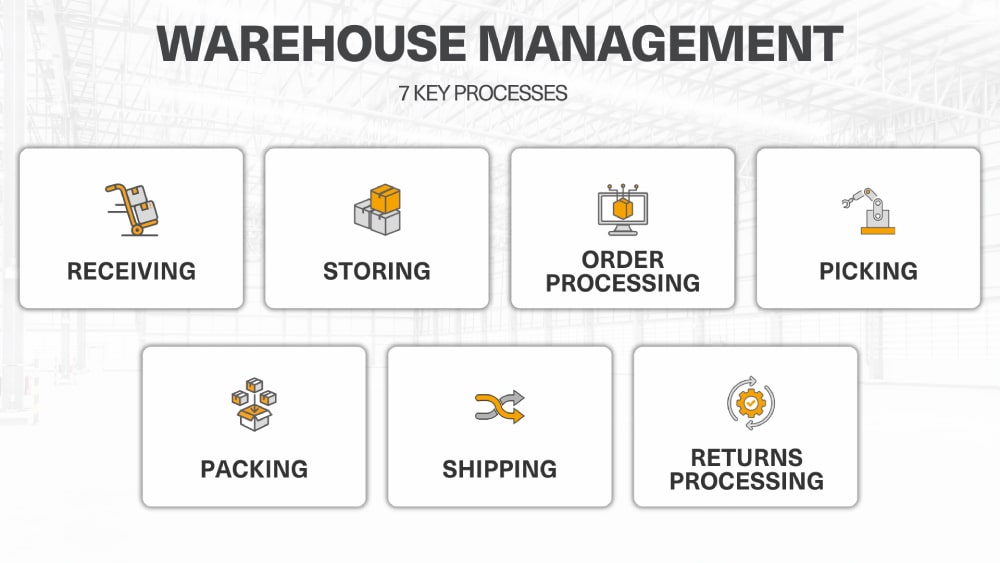
Warehousing Operations – Course Unit Description
Course Overview
This unit introduces learners to the principles, practices, and technologies involved in modern warehousing. It emphasizes the role of warehouses in the supply chain, focusing on efficiency, accuracy, safety, and cost-effectiveness. Students will gain both theoretical knowledge and practical insights into warehouse design, operations, and management.
Key Topics Covered
- Role of Warehousing in Logistics
Importance of warehouses in supply chain management and customer service. - Types of Warehouses
Public, private, distribution centers, bonded warehouses, and specialized facilities. - Warehouse Layout & Design
Space utilization, material flow, racking systems, and ergonomics. - Inventory Management
Stock control methods, cycle counting, and minimizing shrinkage. - Material Handling Equipment
Forklifts, conveyors, automated storage systems, and safety considerations. - Order Picking & Fulfillment
Techniques for accuracy, speed, and customer satisfaction. - Technology in Warehousing
Warehouse Management Systems (WMS), barcoding, RFID, and automation. - Health, Safety & Security
Compliance with regulations, risk management, and safeguarding assets. - Performance Measurement
KPIs such as order accuracy, lead time, space utilization, and cost efficiency.
Learning Outcomes
By the end of this course unit, learners will be able to:
- Explain the strategic importance of warehousing in supply chain management.
- Identify different types of warehouses and their functions.
- Apply principles of warehouse layout and material flow.
- Demonstrate knowledge of inventory control and order fulfillment processes.
- Evaluate the use of technology and automation in warehouse operations.
- Assess warehouse performance using industry-standard KPIs.
- Implement safety and security measures in warehouse environments.
Target Audience
- Students in logistics, supply chain, or business programs.
- Professionals working in distribution, retail, or manufacturing.
- Individuals seeking careers in warehouse management or operations.
- Teacher: Admin User